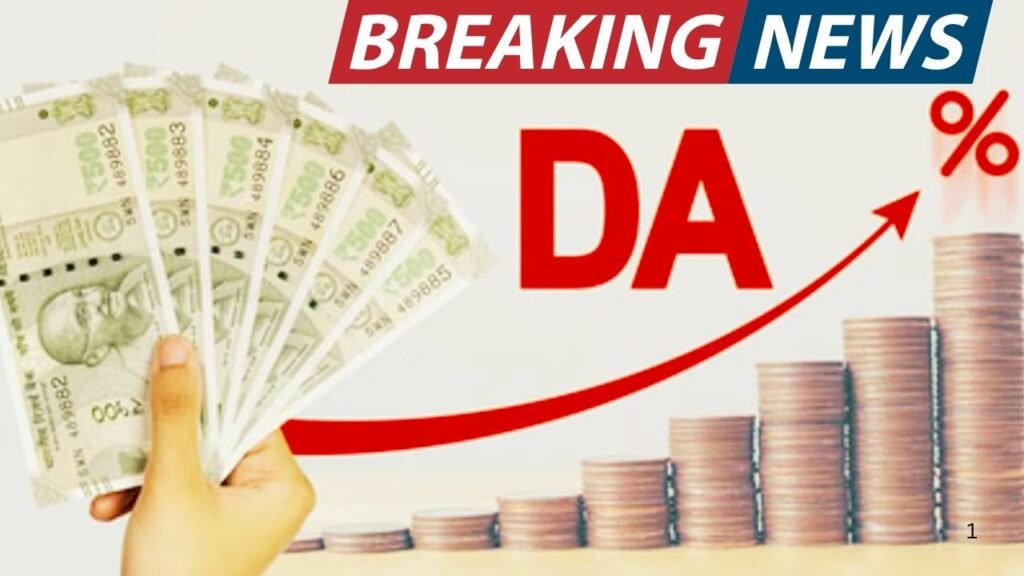
Government employees are set to receive a significant boost in their Dearness Allowance in 2026, following an announced 8% hike that raises the total DA to 65%. The update has generated widespread interest among employees and pensioners who rely on these periodic adjustments to manage rising living costs. As expectations build, many are trying to understand how the increase will affect monthly earnings and overall financial planning.
What the DA Hike Means for Government Workers
Dearness Allowance is a key component of salary structures for government employees, designed to offset the impact of inflation on everyday expenses. When DA is revised, it directly influences take-home pay as well as retirement benefits linked to salary calculations.
The move to increase DA to 65% reflects ongoing efforts to maintain the purchasing power of employees and pensioners. For many households, such adjustments can make a noticeable difference in managing essential expenses such as housing, transportation, and food.
How the 8% Increase Impacts Salaries
An 8% hike can lead to higher monthly earnings depending on an employee’s basic pay and grade level. While the exact increase will vary from person to person, the overall effect is expected to provide meaningful financial support.

- Higher monthly salary payouts due to the revised allowance percentage
- Potential increase in pension calculations for eligible retirees
- Improved ability to handle inflation-driven expenses
- Positive impact on savings and household budgeting plans
These outcomes highlight why DA revisions are closely watched by both active employees and pension beneficiaries.
Timeline and Implementation Expectations
Once a DA hike is announced, implementation usually follows administrative approval and payroll adjustments. Employees often receive the revised amount in upcoming salary cycles, sometimes along with arrears if the hike is applied from an earlier date.
The process involves coordination between finance departments and payroll systems to ensure accurate calculations. While the adjustment may take some time to reflect in pay slips, beneficiaries generally receive official confirmation regarding the effective timeline.
Broader Economic and Workplace Effects
DA hikes can also influence workplace morale and financial confidence among employees. When salaries are adjusted to reflect economic realities, it often leads to increased satisfaction and improved productivity.

In addition, higher disposable income among government employees may contribute to spending in local markets. This ripple effect can support economic activity, particularly in regions where government employment forms a significant part of the workforce.
Preparing for the Revised Allowance
Employees and pensioners can take practical steps to make the most of the increased DA. Planning ahead can help ensure that the additional income supports both short-term needs and long-term financial goals.
- Review updated salary slips once the hike is implemented
- Adjust monthly budgets to account for higher income
- Consider increasing contributions to savings or retirement plans
- Stay informed about future allowance revisions or policy updates
These actions can help beneficiaries use the allowance increase more effectively.
Conclusion
The 8% Dearness Allowance hike bringing DA to 65% in 2026 represents an important financial update for government employees and pensioners. By helping offset rising living costs, the increase offers additional stability and confidence for many households. As the revised allowance begins to reflect in salary payments, staying informed and planning wisely can help individuals maximize the benefits of this adjustment.
FAQs
What is Dearness Allowance?
It is a salary component provided to government employees and pensioners to help manage the impact of inflation.
How much is the DA after the latest hike?
The new increase raises the Dearness Allowance level to 65% in 2026.
Will pensioners also benefit from the DA hike?
In many cases, pension calculations linked to DA may also reflect the revised percentage.
When will the increased DA appear in salaries?
The updated amount is usually implemented in upcoming payroll cycles after administrative approval.
Does the DA hike affect all government employees equally?
The impact varies depending on basic pay levels, grade, and individual salary structures.