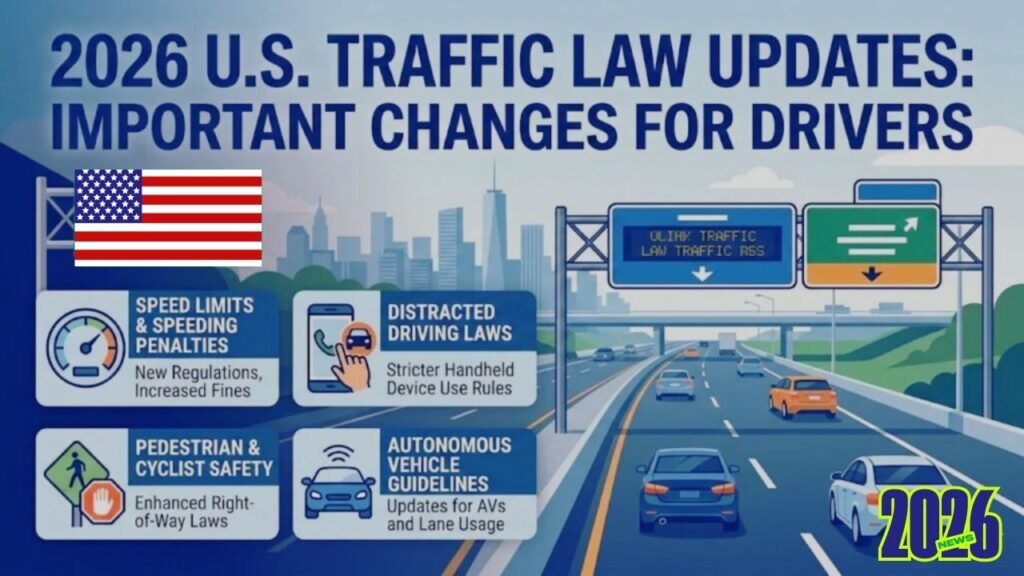
Drivers across the United States are paying close attention to new driving license rule changes taking effect in March 2026. The updates are expected to influence how licenses are issued, renewed, and verified, creating fresh responsibilities for millions of motorists. As authorities move toward modernized systems and stricter compliance standards, understanding these changes has become essential for staying road-ready.
Why New Driving License Rules Are Being Introduced
Transportation agencies regularly update licensing policies to improve safety, enhance identity verification, and adapt to technological advancements. The 2026 adjustments appear to reflect a broader effort to streamline administrative processes while ensuring drivers meet evolving road safety expectations.
These changes may also address concerns related to documentation accuracy and digital record management. For many drivers, this means preparing for updated procedures that could affect both new applications and renewals.
Key Changes Drivers Should Prepare For
While exact implementation details may vary by state, several common themes are emerging as part of the March updates. Motorists are being encouraged to review requirements carefully to avoid unexpected disruptions.

- Updated identity verification steps during license issuance or renewal
- Possible changes to testing or evaluation standards for certain applicants
- Increased use of digital records and online appointment systems
- Stricter compliance deadlines for document submission and validation
These adjustments highlight a shift toward more structured licensing frameworks.
Impact on License Renewals and Daily Driving
For many drivers, the most noticeable effect will be during license renewal periods. Longer processing timelines or additional documentation requests could require better planning. Individuals who travel frequently or depend on driving for work may need to stay especially alert to avoid gaps in license validity.
At the same time, improved digital systems may eventually make services faster and more convenient. The transition phase, however, could bring temporary confusion for some applicants.
Steps to Stay Compliant With the New Rules
Experts advise drivers to take proactive steps to ensure they remain compliant with updated licensing requirements. Being prepared ahead of deadlines can help prevent penalties or driving interruptions.
- Review local licensing authority updates and renewal timelines
- Gather required identity and residency documents in advance
- Schedule appointments early to avoid last-minute delays
- Monitor license expiration dates and digital notifications
Following these steps can help drivers adapt smoothly.
Broader Effects on Road Safety and Administration
Authorities believe that strengthening licensing procedures can contribute to improved road safety and better enforcement standards. By ensuring that all drivers meet consistent eligibility requirements, agencies aim to reduce administrative errors and enhance public confidence in the licensing system.
Over time, the integration of modern technology may also support more efficient communication between drivers and regulatory offices.
Conclusion
The March 2026 driving license rule changes represent an important shift in how licensing processes are managed across the United States. From updated verification requirements to increased reliance on digital services, drivers will need to stay informed and prepared. By understanding these developments and planning ahead, motorists can continue driving confidently while meeting new compliance expectations.
FAQs
When do the new driving license rules take effect?
The changes are expected to begin rolling out starting in March 2026.
Will all drivers need to renew their licenses immediately?
No, updates will mainly affect individuals whose renewal or application dates fall within the new implementation period.
Are testing requirements changing for experienced drivers?
Some applicants may face revised evaluation standards depending on local regulations.
How can drivers avoid delays during renewal?
Scheduling appointments early and preparing documents can help streamline the process.
Will digital licensing services become more common?
Yes, increased use of online systems is expected as part of modernization efforts.